

 HOCKEY CANADA

Hockey Starts Here
 |
 |
What is Hockey Canada & Why it Matters
Hockey Canada is the national organization that supports hockey across the country. We work with 13 provincial and territorial Members and their minor hockey associations to create a safe, fun and welcoming place for children to learn and play.
Hockey is often called Canada’s game. It is the country’s official winter sport and an important part of Canadian culture. Many kids grow up playing hockey in their communities, at local rinks and on frozen ponds during winter. The game brings people together, and many Canadians are proud of it.
If your family is new to hockey, we want your first experience to feel easy and welcoming. Our programs help children build confidence, make friends and enjoy being part of a team.
What is Hockey
Hockey is a team sport played on ice. Two teams try to score goals by shooting a puck into the other team’s net using hockey sticks.
Each team usually has six players on the ice:
- three forwards
- two defence
- one goalie
Games are played in three periods.
The goal of the game is to score more goals than the other team. Players skate, pass and shoot the puck while working together. Hockey is fast and exciting and requires teamwork and skill.
Why Kids Play Hockey (& Why Families Love It)
Families choose hockey for many reasons. Everyone is welcome and no experience is needed.
- Hockey keeps kids active.
- Children learn skills like skating, passing and teamwork.
- They make friends on and off the ice.
- They learn life skills such as responsibility, respect and teamwork.
- Most importantly, hockey is fun.
When families join a Hockey Canada minor hockey association, they also become part of a community. Families connect, support each other and share great memories.
Safety, Standards & What’s Required
Safety is very important in hockey. Families can feel confident knowing that:
- Players wear full protective equipment.
- Coaches, trainers and officials are trained and certified.
- Safety rules include concussion awareness and return-to-play guidelines.
- Programs like Respect in Sport and Shift Forward promote respect and healthy behaviour in hockey.
What to Expect: Season Structure
Programs may be a little different in each community, but most families can expect:
- A season that lasts about 16 to 20 weeks
- Associations that offer shorter programs for new players
- One or two ice sessions per week, including practices and games
- Age groups that help players learn at the right level
- A team jersey and socks included with registration
Evaluations & Team Placement
At the start of the season, players may take part in evaluations or tryouts. These sessions help place players on teams that match their skill level.
During these sessions, coaches watch players during practices and small games. They look at skills such as:
- skating
- puck control
- teamwork
- awareness of the game
The goal is to create balanced teams where players can learn, improve and have fun.
Other Things Included
- Hockey Canada insurance coverage
- Tournaments, where teams from different communities play several games over a short time
Tournaments give players a chance to compete, have fun and celebrate the spirit of hockey.
Registration & Fees
Most minor hockey programs have a registration fee. This helps cover costs such as:
- ice time
- league administration
- insurance
- team operations
Families may also have other costs, such as equipment, tournaments or team activities.
Many associations offer payment plans or financial help. Families should contact their minor hockey association to learn about available support.
Financial help is also available through the Hockey Canada Foundation Assist Fund. For more information, CLICK HERE.
Skill Development
Skill development depends on a player’s age and experience.
- Beginners focus on basic skating and hockey skills.
- More experienced players may play games and tournaments, and take part in advanced training.
Programs allow children to learn at their own pace, even if they have never skated before. Many teams celebrate together at the end of the season.
Introductory Programs
Starting hockey does not always mean joining a team right away.
Across Canada, there are programs that help beginners learn the basics and try hockey in a fun environment.
Families can contact their minor hockey association or visit their website to learn what programs are available.
Examples include:
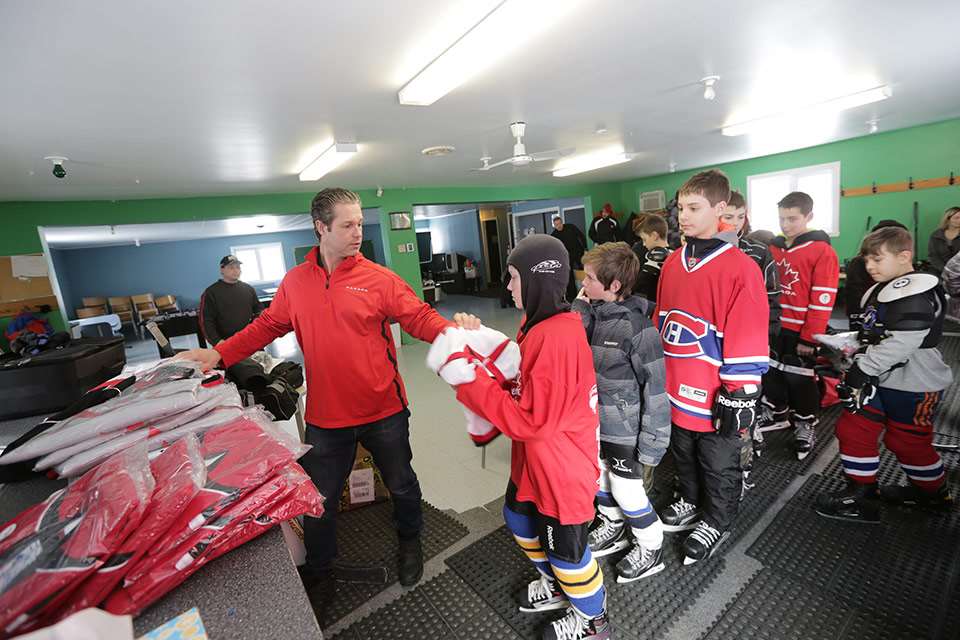
- NHL/NHLPA First Shift – introduces beginners to hockey and provides starter equipment
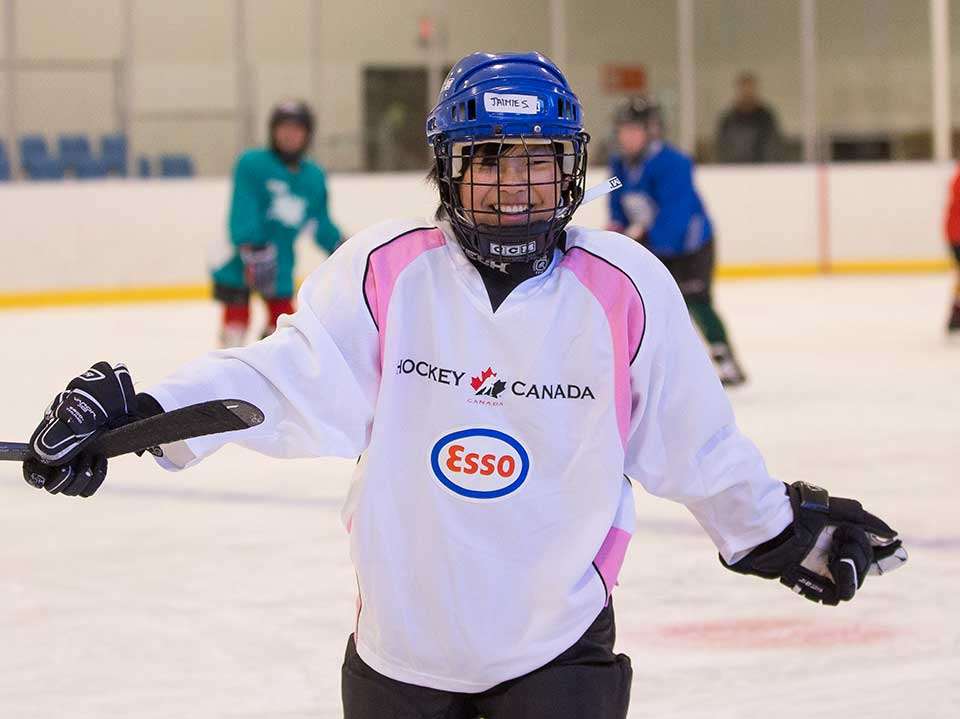
- Esso Fun Days – free events where girls and women can try hockey
- Learn to Skate – programs that teach basic skating skills
- Learn to Play Hockey – beginner sessions for skating, passing and shooting
- Try Hockey Events – short events where people can try hockey for the first time
These programs make it easier for families to start their hockey journey.
Common Myths & Concerns
“Hockey is too expensive.”
Families can reduce costs by buying used equipment, joining equipment-swap programs or applying for financial help.
Information about the Hockey Canada Foundation Assist Fund is available HERE. Minor hockey associations may also offer support programs.
“My child is starting too late.”
Children start hockey at many different ages. Beginners are always welcome.
“Hockey isn’t safe.”
Players wear protective equipment. Coaches and officials are trained. Safety rules help protect players.
“It takes too much time.”
Most beginner programs have one or two sessions each week. Schedules are shared early so families can plan.
Starting Out in Hockey
Starting hockey can feel exciting and a little overwhelming at first. This is normal.
New players often need time to get used to skating, equipment and the speed of the game.
With practice and encouragement, players improve quickly. As their confidence grows, they begin to enjoy the game even more.
|
|
How Parents & Families Can Get Involved
Hockey is stronger when families help. You do not need hockey experience to volunteer.
Parents often help as:
- Coaches
- Safety people or trainers
- Team managers
- Bench staff
- Association volunteers
Minor hockey depends on volunteers. Families can help in many ways, from supporting teams to helping with events.
If you want to help, contact your minor hockey association to learn about volunteer opportunities.
Hockey Canada promotes respect, fair play and positive support. Parents help create a welcoming space where every child feels included.
First-Time Hockey Gear Checklist
Your child needs the following equipment to stay safe and comfortable. Gear can be new, used or borrowed.
For Players
CLICK HERE to view a player equipment fitting video
Base Layer
- Athletic shirt
- Leggings or long underwear
Protective Gear
- Jock or jill protective shorts
- Shin guards
- Hockey socks (over shin guards)
- Hockey pants
- Hockey skates (properly fitted and sharpened)
- Shoulder pads
- Elbow pads
- Jersey
- Neck guard (BNQ certified)
- Helmet with face mask (CSA approved)
- Gloves
- Hockey stick (taped)
For Goalies
CLICK HERE to view a goalie equipment fitting video
Base Layer
- Athletic shirt
- Leggings or long underwear
Protective Gear
- Goalie jock or jill
- Knee guards
- Hockey socks
- Goalie pants
- Goalie skates
- Chest protector
- Jersey
- Goalie neck guard
- Goalie mask with cage (CSA approved)
- Dangler
- Glove
- Blocker
- Goalie stick
Extras
- Water bottle
- Equipment bag
Helpful Tips
- Try equipment on at home to check the fit.
- Many associations offer equipment swap or loan programs.
- Beginners do not need expensive gear. Safety and comfort matter most.
- Skates should be sharpened regularly. Sharpening usually costs about $4–$10.
Understanding the Rink
A hockey rink includes:
- a red line
- blue lines
- faceoff dots
- goal creases
- boards
These markings help organize the game. Players learn them quickly once they start playing.
Dressing Rooms
Dressing rooms are where players put on equipment and get ready for practices and games. Players also spend time with teammates there.
Hockey Canada has rules to help keep dressing rooms safe and respectful. These rules include supervision, privacy and proper behaviour.
The goal is to make dressing rooms a safe and positive place for all players.
Player Positions
Players can try different positions to see what they enjoy most.
- Forwards (left wing, centre, right wing) – try to score goals
- Defence – protect their team’s net
- Goalie – stops the puck and prevents goals
Every position is important. Younger players are often encouraged to try many positions.
Basic Rules
Icing
Icing happens when a player shoots the puck from behind the red line and it crosses the far goal line. Play stops and the faceoff returns to that team’s end.
Offside
Offside happens when a player enters the offensive zone before the puck crosses the blue line.
Overtime
If the game is tied after three periods, teams may play a five-minute overtime. The first team to score wins. If no one scores, the game goes to a shootout.
Faceoff
A faceoff restarts play after a stoppage. The referee drops the puck between two players.
Penalties
When a player breaks a rule, they sit in the penalty box for 2–10 minutes. During that time, the other team has more players on the ice (only for two-, four- and five-minute penalties).
Power Play & Penalty Kill
The team with more players is on a power play. The other team tries to defend and “kill” the penalty.
Goals & Crease Rules
A goal counts when the puck fully crosses the goal line between the posts and under the crossbar. Players cannot interfere with the goalie in the crease.
Glossary: Hockey Slang (Made Simple)
Hockey has its own language. Here are some common terms:
- Bar Down – a shot that hits the crossbar and goes in
- Barn – a nickname for a rink
- Breakaway – a player skating alone toward the goalie
- Bucket – a helmet
- Cellie – a goal celebration
- Hat Trick – three goals in one game
- Five-Hole – the space between a goalie’s legs
- Power Play – a team advantage after a penalty
- Penalty Box – where players sit during penalties
- Twig – a hockey stick
- Wheels – a player’s skating speed
- Zamboni – the machine that resurfaces the ice
The Bottom Line: What Hockey Canada Promises
Hockey Canada wants every family, especially those new to the sport, to feel welcome and supported.
Minor hockey is about more than learning the game. It helps children:
- build confidence
- make friends
- stay active
- create lasting memories
With trained coaches, strong safety rules and welcoming programs, Hockey Canada is committed to giving your child a positive and fun hockey experience.
Equipment Fitting - How to Fit Hockey Gear (Players) in Mandarin
A parent-friendly guide from Hockey Canada and Bauer to help ensure your child’s hockey equipment fits safely, comfortably and is game ready.
Download the Playbook (Players)
Equipment Fitting - How to Fit Hockey Gear (Players) in Punjabi
If your child is new to hockey, our equipment fitting guide has parent-friendly tips to give you confidence that their hockey gear is fitted comfortably and safely.
- <
- >
